Clay Courts and Traditions: How the Surface Has Shaped the Style of Play


Clay Courts and Traditions: How the Surface Has Shaped the Style of Play
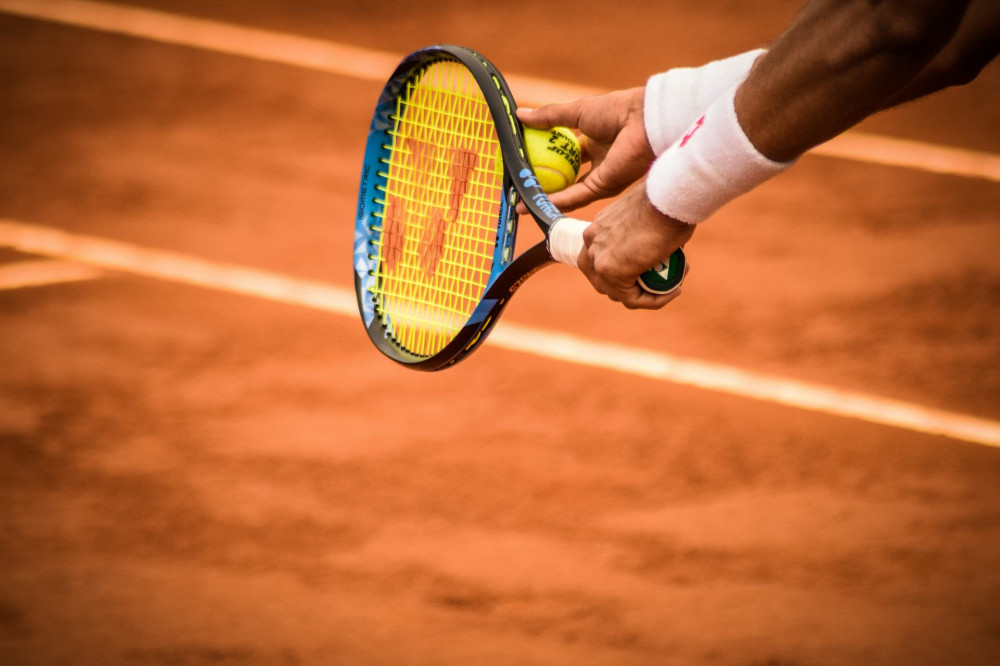
When we talk about tennis, it’s not just about technique, tactics, and talent—it’s also about the surface beneath the players’ feet. Clay, grass, and hard courts each create unique conditions that influence how the game is played. Among them, the clay court—with its slow pace and distinctive red hue—has had a profound impact on tennis culture and on the development of players around the world.
A Surface That Rewards Patience
Clay is known as the slowest of the three classic surfaces. The ball loses speed when it hits the court and bounces higher than it would on grass or hard courts. This means rallies last longer, and patience and endurance become essential qualities.
Players who grow up on clay learn early to construct points carefully, vary the pace, and use angles to open up the court. It’s not about hitting winners on the first shot but about wearing down the opponent. As a result, clay-court players often develop a defensive foundation, relying on heavy topspin, movement, and consistency to control the game.
Traditions and Regional Styles
Clay has long been the dominant surface in Southern Europe and South America. In countries like Spain, Italy, and Argentina, clay courts are everywhere—from public parks to professional academies—and that has shaped generations of players. They are often known for their physical strength, tactical patience, and relentless fighting spirit.
By contrast, players from the United States, Australia, and the United Kingdom have traditionally grown up on faster surfaces such as hard courts and grass. These environments reward aggressive play, powerful serves, and quick points. The result is a fascinating contrast in tennis styles, where different traditions meet and challenge each other on the global stage.
The Art of Movement on Clay
Moving on clay requires a special technique. The surface is slippery, and players learn to slide into their shots rather than stopping abruptly. This creates a smooth, flowing rhythm but also demands balance and precision. For players unfamiliar with clay, finding their footing—both literally and strategically—can be a real challenge.
Clay also tests a player’s physical and mental endurance. Long rallies and constant changes of direction make stamina as important as shot-making. It’s no coincidence that many of the greatest clay-court champions are celebrated for their discipline, resilience, and ability to stay focused through grueling matches.
Læs også:



From Clay to a Global Game
While clay remains a cornerstone of the tennis calendar—with the French Open as its most iconic showcase—the modern game is more global and versatile than ever. The best players today can adapt their style to any surface, mastering the transition from clay to hard courts and grass.
Still, clay courts hold a special place in the sport’s identity. They represent tradition, craftsmanship, and a style of play that values strategy and patience over sheer power. For many players, clay is where they learn the fundamentals that later make them complete competitors.
A Legacy That Endures
Even in an era dominated by high-speed hard courts and fast-paced tournaments, clay continues to play a vital role. It challenges players in ways no other surface can—rewarding those who can think, adapt, and persevere.
Clay courts are more than just a surface. They are a tradition, a training ground, and a living heritage that continues to shape the game of tennis—rally by rally, point by point.
Læs også: