Rest and Recovery: The Key to Equine Performance

Rest and Recovery: The Key to Equine Performance
When it comes to equine performance, most riders and trainers focus on conditioning, nutrition, and equipment. Yet one of the most powerful performance enhancers is often overlooked: rest and recovery. Those quiet hours between workouts are when the horse’s body rebuilds, adapts, and prepares for the next challenge. Whether your horse is a racehorse, a show jumper, or a trail companion, balancing work and rest is essential for health, soundness, and long-term success.
Why Rest Is as Important as Training
During exercise, muscle fibers break down and energy stores are depleted. It’s only during rest that the body repairs and strengthens itself. Without adequate recovery, the risk of fatigue, injury, and loss of motivation increases. A tired horse cannot perform at its best—and may even lose its willingness to work.
Rest isn’t just about standing still in a stall. It’s about giving the horse time and space to recover both physically and mentally. A horse that’s allowed to relax becomes more focused, cooperative, and resilient under pressure.
Signs Your Horse Needs More Recovery
Recognizing fatigue in horses can be tricky, as many show only subtle signs. Here are some common indicators that your horse may need more downtime:
- Reluctance to move forward or engage during work
- Sweating more than usual or taking longer to cool down
- Stiffness, soreness, or recurring minor injuries
- Changes in appetite or attitude in the barn
Paying attention to these signals and adjusting the training plan accordingly can prevent serious problems and extend your horse’s athletic career.
Planning Rest Periods
A well-designed training program includes both intense and easy days. After a demanding workout, schedule a lighter session or a full day off. Many trainers use short training cycles—often five to seven days—where workload gradually increases and then tapers off to allow the body to adapt.
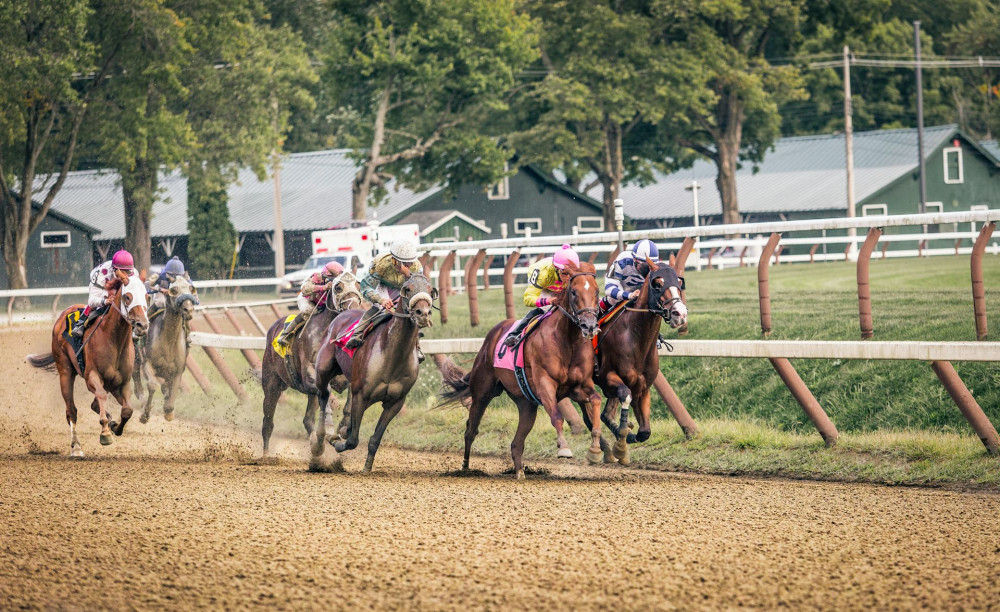
For racehorses, this might mean several days of hand-walking, turnout, and light exercise after a race. For dressage or eventing horses, it could be a trail ride, lunging session, or simply a day in the pasture.
Turnout and Mental Recovery
Rest isn’t only about muscles and joints. Horses are herd animals that need movement, social interaction, and mental stimulation. Turnout time is therefore a vital part of recovery. It allows the horse to stretch, roll, graze, and unwind.
Research has shown that regular turnout reduces stress, improves digestion, and decreases the risk of behavioral issues. Even high-level competition horses benefit from daily outdoor time—it supports both physical and mental well-being.
Læs også:
The Importance of Sleep
Like humans, horses need sleep to function properly. They rest in short intervals throughout the day, but to achieve deep REM sleep, they must be able to lie down. If the stall is too small, the bedding uncomfortable, or the environment stressful, a horse may avoid lying down—and miss out on essential restorative sleep.
A calm, clean, and secure environment is key. Observing whether your horse lies down regularly can reveal a lot about its comfort and overall welfare.
Nutrition and Hydration in Recovery
After strenuous exercise, the horse’s body needs to replenish energy stores and restore fluid balance. Feed that provides adequate protein, electrolytes, and fiber supports this process. Fresh water should always be available, and electrolyte supplements can be helpful in hot weather or after intense work.
Offering a small meal soon after training can also promote muscle repair and energy recovery.
Rest as a Training Strategy
Rest should never be seen as wasted time—it’s an active part of the training strategy. The best trainers plan recovery periods as carefully as workouts. That’s when the real progress happens, and when the horse gains the strength and confidence to perform better next time.
A well-rested horse moves more freely, reacts more quickly, and enjoys its work. It’s not only a performance advantage—it’s an investment in the horse’s long-term health and happiness.
Strength Begins in Stillness
Rest and recovery are not signs of weakness but of wisdom. The horse that’s given time to recover becomes stronger, healthier, and more consistent in performance. In a sport where small margins make all the difference, the quiet moments of rest may be the true key to success.
Læs også: