The Defensive Midfielder’s Role – The Key to Balance in the Game

The Defensive Midfielder’s Role – The Key to Balance in the Game
In modern soccer, the spotlight often shines on the forwards who score goals and the defenders who make last-ditch tackles. Yet, between them lies a player who rarely makes the headlines but often determines whether a team thrives or collapses: the defensive midfielder. This role demands intelligence, discipline, and an instinctive understanding of the game’s rhythm—it is the key to balance between attack and defense.
What Defines a Defensive Midfielder?
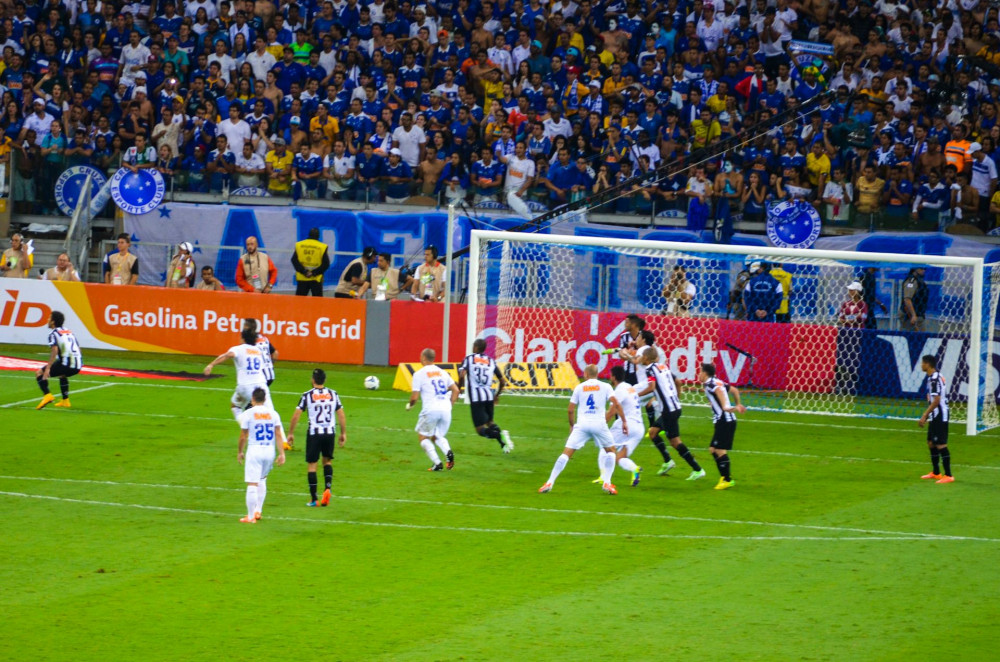
The defensive midfielder, often referred to as the “number six,” operates just in front of the back line. Their primary job is to protect the defense, break up opposition attacks, and initiate their team’s build-up play. It’s a position that requires both physical strength and tactical awareness.
While strikers are judged by goals and defenders by clearances, the defensive midfielder is measured by subtler qualities: positioning, anticipation, and decision-making under pressure. A great number six makes the game look simple precisely because they prevent problems before they arise.
Læs også:
The Balance Between Defense and Attack
The defensive midfielder serves as the bridge between a team’s two phases of play. When defending, they close down spaces, track runners, and support the back line. When attacking, they are often the first outlet from defense, setting the tempo and distributing the ball forward.
This constant balancing act requires judgment: when to stay back and secure the defense, and when to push forward to support the attack. The best players in this role master that equilibrium. They know when to play it safe and when to take a calculated risk with a forward pass.
The Role in Modern Soccer
As soccer has become faster and more tactically complex, the importance of the defensive midfielder has grown. Many coaches now view the position as the heartbeat of the team’s structure. Without a reliable number six, a team can quickly lose shape and become vulnerable to counterattacks.
Some systems use a single holding midfielder, while others employ a “double pivot,” where two players share defensive and creative duties. Regardless of formation, the role remains central to maintaining balance and rhythm in the game.
Different Types of Defensive Midfielders
Although the core responsibilities remain the same—protecting and distributing—there are several interpretations of the role:
- The Classic Anchor – A physically strong player who breaks up play and shields the defense. Known for discipline and positional intelligence.
- The Deep-Lying Playmaker – A technically gifted player who dictates tempo and launches attacks with precise passing.
- The Modern Hybrid – A versatile midfielder who can both defend and contribute creatively, adapting to the flow of the game.
Coaches choose the type of defensive midfielder based on their tactical philosophy. A team that builds from the back needs a composed passer, while a counterattacking side may prefer a more physical, ball-winning presence.
Why the Role Is Often Underrated
The defensive midfielder rarely scores goals or grabs headlines. But their absence is immediately felt. Without a stabilizing presence in front of the defense, teams lose structure, and opponents exploit the space between the lines.
It’s often the small, unnoticed actions—a timely interception, a clever positioning adjustment, a quick pass out of pressure—that keep a team in control. The defensive midfielder is not just a destroyer but a conductor, orchestrating the team’s rhythm from deep.
A Role for the Intelligent Player
Playing as a defensive midfielder requires more than athleticism. It demands vision, communication, and the ability to think two steps ahead. Many of the best in this position have not been the fastest or flashiest, but they’ve possessed an exceptional understanding of the game and a willingness to take responsibility.
For young players aspiring to master the role, the focus should be on developing tactical awareness and technical composure. Being able to receive the ball under pressure, switch play quickly, and maintain awareness of the entire field is essential.
The Key to Balance
Ultimately, the defensive midfielder is the invisible architect of a team’s stability. They give defenders confidence and attackers freedom. Without them, the game loses its structure; with them, the team finds its balance.
It’s no coincidence that many coaches say, “Show me your number six, and I’ll tell you how your team plays.” The defensive midfielder’s role is not just a position—it’s the key to balance in the game.
Læs også: