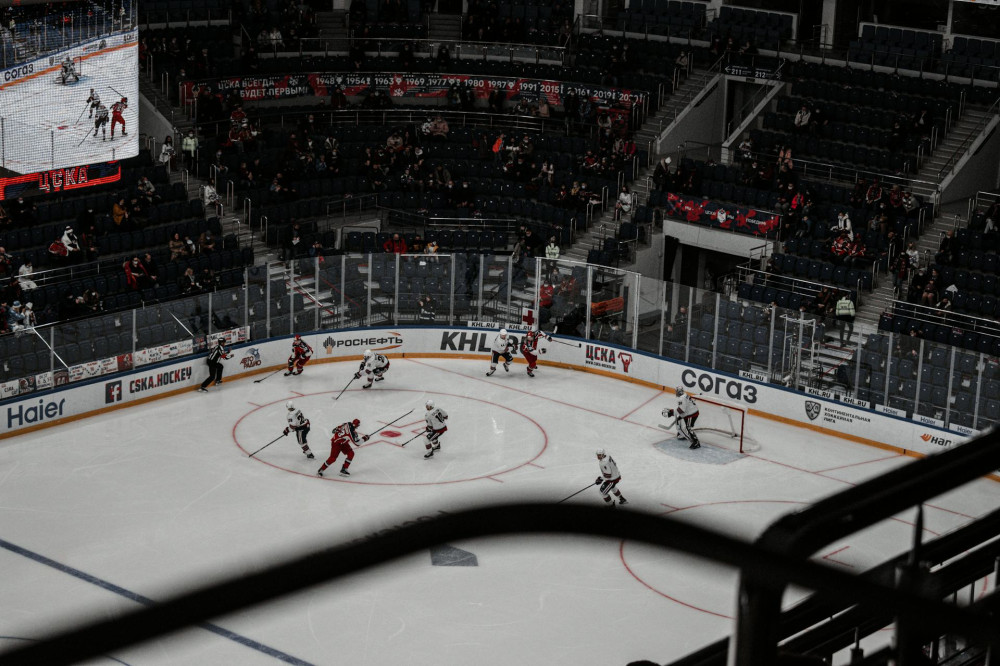
The NHL Draft System: How to Predict the Balance of Power in the Future

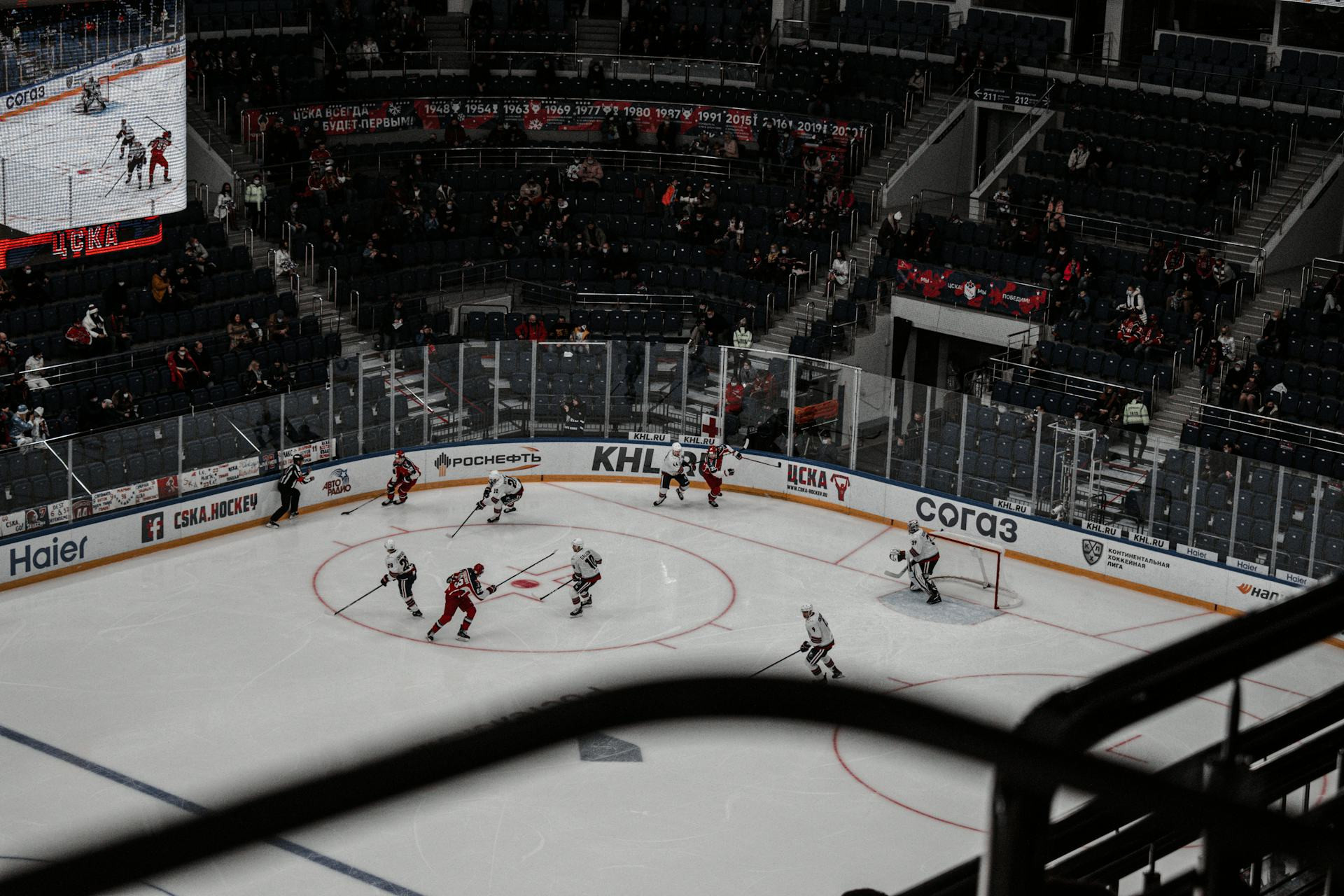
The NHL Draft System: How to Predict the Balance of Power in the Future
Every June, general managers, coaches, and scouts from all 32 NHL teams gather for one of the most pivotal events of the hockey calendar: the NHL Draft. It’s more than just a ceremony—it’s a strategic mechanism that shapes the league’s competitive landscape for years to come. For those who understand how it works, the draft offers a glimpse into which teams might rise—or fall—in the seasons ahead.
What Is the NHL Draft—and Why Does It Exist?
The NHL introduced the draft in 1963 to promote parity across the league. Before that, wealthier franchises could sign the best young players at will, creating an uneven playing field. The draft flipped that dynamic: the teams that finish lowest in the standings get the earliest picks, while the strongest teams must wait their turn. The idea is simple—give struggling teams a fair shot at rebuilding through young talent.
In essence, the draft acts as a kind of “talent equalizer.” Instead of redistributing money, it redistributes opportunity. That’s one reason the NHL is known for its unpredictability: a team at the bottom of the standings can become a contender within a few seasons if it drafts wisely.
Læs også:

The Draft Lottery: Where Luck Meets Strategy
While the worst teams have the best odds of picking first, nothing is guaranteed. The NHL uses a draft lottery to determine the order of the top selections. The lower a team finishes, the higher its odds—but even the last-place team only has about an 18% chance of winning the top pick. This system discourages “tanking,” or intentionally losing games to secure a better draft position.
The lottery adds an element of chance, but over time, it still rewards teams that genuinely need help. It also keeps fans engaged—every spring, the lottery broadcast becomes a moment of hope for struggling franchises and a reminder that fortune can change overnight.
From Junior Star to NHL Mainstay
Being drafted doesn’t mean a player will immediately skate in the NHL. Many prospects spend years developing in junior leagues, college programs, or European clubs before making the leap. Teams retain their rights for a period, allowing them to bring players into the lineup when they’re ready.
That’s why scouting and player development are so critical. A high draft pick is no guarantee of success, and a late-round selection can turn into a franchise cornerstone with the right nurturing. The Detroit Red Wings of the 1990s built a dynasty by finding hidden gems in later rounds—a reminder that the draft is as much about evaluation as it is about luck.
Reading the Future Through the Draft
For fans and analysts, the draft is a window into a team’s long-term strategy. The types of players a team selects—and how it uses its picks—can reveal its vision for the future.
- Teams loading up on defensemen are often signaling a focus on structure and stability.
- Teams targeting speedy forwards are betting on offensive creativity and pace.
- Teams trading away draft picks are prioritizing short-term success over long-term growth.
Take the Chicago Blackhawks, who selected Connor Bedard with the first overall pick in 2023—a move that could redefine the franchise for a decade. Meanwhile, teams like the Tampa Bay Lightning and Colorado Avalanche have shown how a smart draft strategy can lay the foundation for sustained dominance.
Data, Scouting, and the Modern Era
Today’s draft process blends traditional scouting with cutting-edge analytics. Teams use advanced data models, video analysis, and psychological profiling to project how a 17-year-old might develop physically and mentally over the next five years. It’s part science, part intuition.
Organizations like the Toronto Maple Leafs and Carolina Hurricanes have embraced data-driven decision-making, while others still rely heavily on the instincts of veteran scouts. The most successful teams often combine both approaches—balancing numbers with the human element that defines hockey.
What It Means for the NHL’s Balance of Power
The draft remains the league’s most direct tool for maintaining competitive balance. But in practice, it ensures that the balance of power is always shifting. A team that nails two or three drafts in a row can rise from the basement to the playoffs in short order. Conversely, a string of poor draft choices can set a franchise back for years.
That’s what makes the NHL Draft so fascinating—it’s not just about selecting players, but about shaping the future. For the attentive fan, the draft is where tomorrow’s storylines begin: who’s building patiently, who’s taking risks, and who might be hoisting the Stanley Cup five years from now.
Læs også: