Motorsports and the Automotive Industry – A Mutual Relationship

Motorsports and the Automotive Industry – A Mutual Relationship
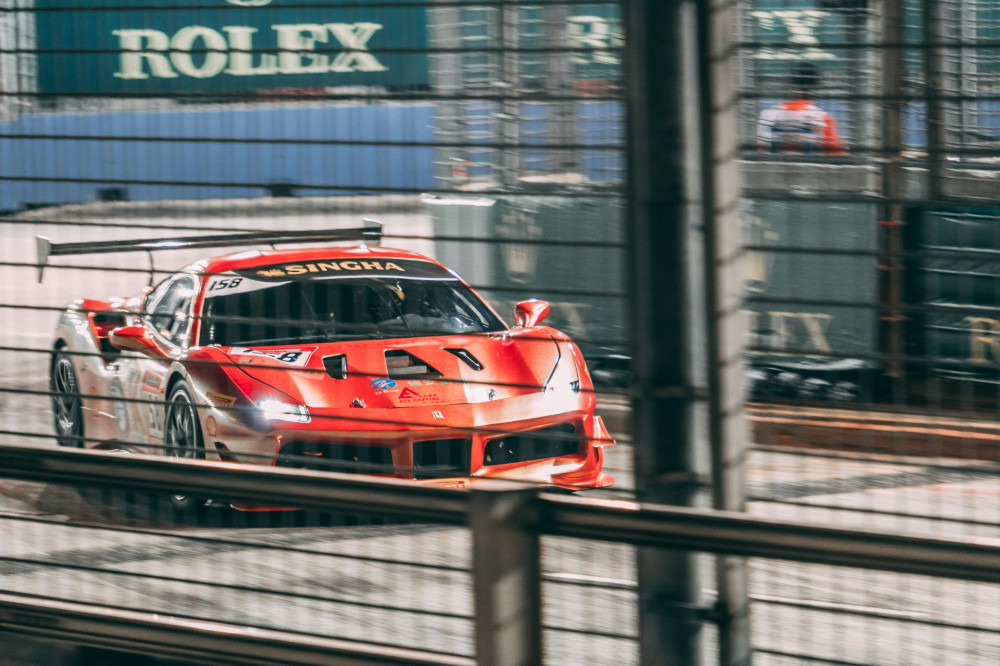
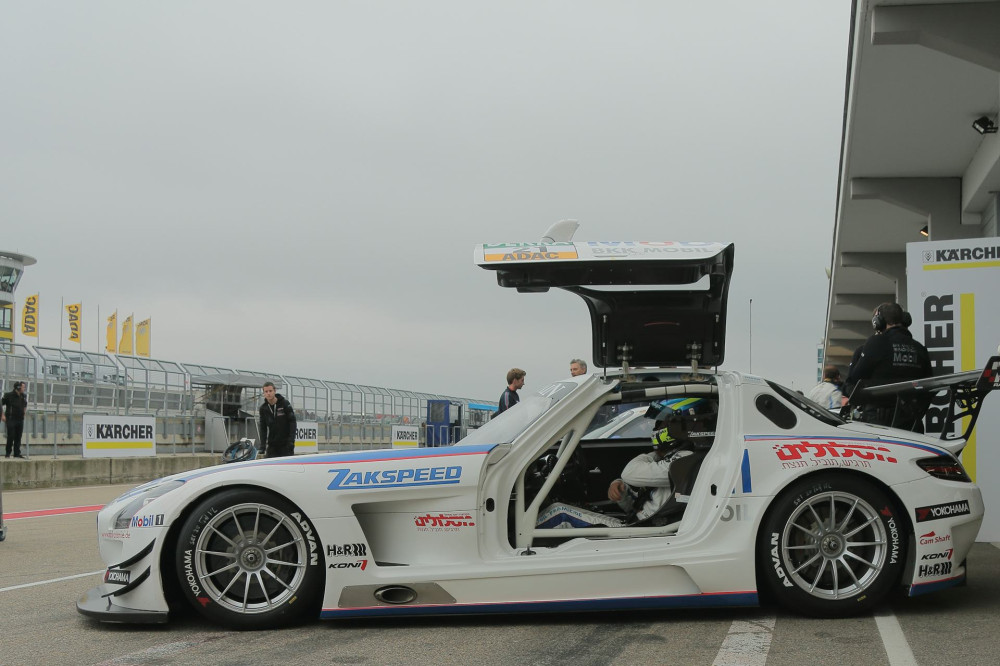
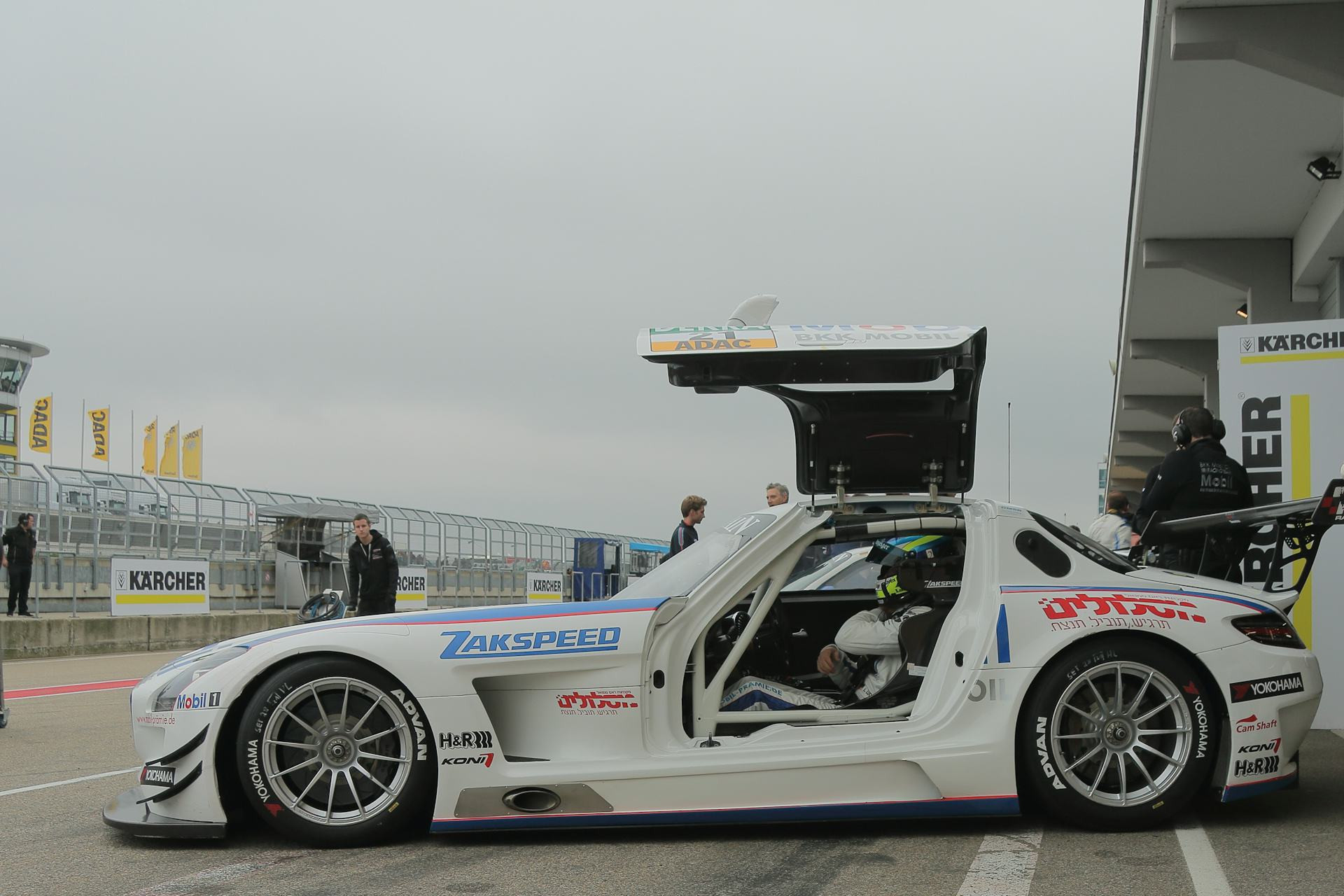
When engines roar on the racetrack, it’s about more than speed and glory. Motorsports serve as a living laboratory for the automotive industry—a place where new technologies are tested, materials are pushed to their limits, and performance boundaries are constantly redefined. At the same time, the automotive industry provides the foundation for motorsports: without its engineering expertise, investments, and innovations, racing as we know it wouldn’t exist. The relationship between the two has, for decades, been a driving force behind progress in both vehicle design and technology.
From Track to Street – Technology on the Move
Many of the features we now take for granted in everyday cars were first developed for the racetrack. Anti-lock braking systems (ABS), aerodynamic body shapes, lightweight materials, and advanced tire compounds all have their roots in motorsport engineering.
A clear example is hybrid technology. When Formula 1 introduced hybrid power units in 2014, it marked a shift toward efficiency and energy recovery as key performance factors. Today, automakers use lessons learned from racing to create more fuel-efficient and environmentally friendly vehicles for consumers. The same applies to electric drivetrains, regenerative braking, and advanced battery management systems—all refined through competition.
Automakers Use Racing as a Test Bed
For car manufacturers, motorsports offer a unique opportunity to test new ideas under extreme conditions. A racetrack demands far more from engines, brakes, and electronics than any public road ever could. If a component can withstand 200 miles per hour and intense heat on the track, it can certainly handle daily driving.
That’s why brands like Chevrolet, Ford, Toyota, and Porsche invest heavily in racing. They see it not just as marketing, but as an integral part of their research and development strategy. Data collected from races is analyzed in detail, and the insights gained often influence the design of future production models. The Corvette Z06, for instance, owes much of its performance DNA to Chevrolet’s endurance racing programs.
Læs også:
Racing as Marketing and Brand Identity
While technology is crucial, image also plays a major role. A victory at the Indianapolis 500, the 24 Hours of Le Mans, or a NASCAR championship can dramatically boost a brand’s prestige. Motorsports act as a showcase for technical excellence and innovation.
The old saying “Win on Sunday, sell on Monday” still holds true. When a brand wins on the track, it strengthens its reputation in the showroom. For many American car buyers, owning a vehicle from a successful racing brand means owning a piece of that performance heritage and passion.
The Green Transition Reaches the Racetrack
As the automotive industry moves toward electrification, motorsports are evolving alongside it. Formula E—the world championship for electric race cars—has quickly grown from a niche series into a vital platform for developing electric vehicle technology. Here, manufacturers test batteries, energy management systems, and software that later find their way into consumer EVs.
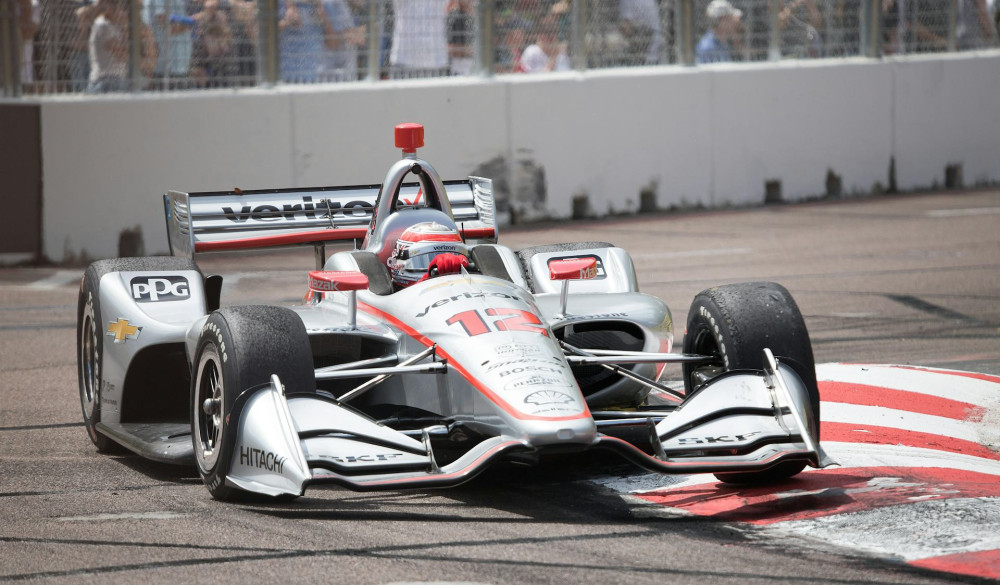
Traditional racing series are also adapting. The 24 Hours of Le Mans now includes hybrid and hydrogen-powered prototypes, while NASCAR and IndyCar are exploring sustainable fuels and hybrid systems. These developments show that motorsports are not just about speed—they’re also about finding sustainable solutions for the future of mobility.
A Partnership Shaping the Future
The collaboration between motorsports and the automotive industry demonstrates how competition drives innovation. The racetrack acts as a high-speed laboratory where failures are quickly exposed and improvements happen fast. The automotive industry then translates these lessons into safer, more efficient, and more exciting vehicles for everyday drivers.
Whether the cars of the future run on gasoline, electricity, or hydrogen, motorsports will continue to play a central role in their development. When technology is pushed to its limits, the breakthroughs that follow often redefine what’s possible—both on the track and on the road.
Læs også: