Read the Odds: Discover Patterns in Motorsport Results

Read the Odds: Discover Patterns in Motorsport Results
Motorsport is a world of speed, precision, and strategy—but also of data and probability. Behind every race lies a wealth of statistics that can reveal patterns in driver performance, team progress, and track characteristics. For curious fans—or anyone interested in odds and predictions—diving into the numbers can uncover trends that aren’t always visible from the grandstands.
Statistics as the Key to Understanding
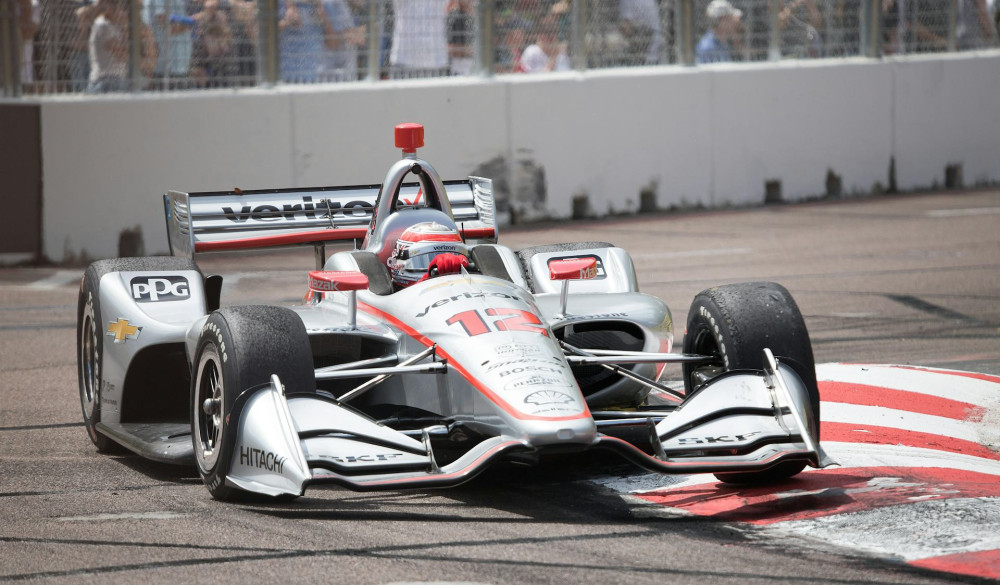
When you watch a Formula 1 Grand Prix or an IndyCar race, it’s easy to get caught up in the on-track drama. But behind the results, patterns often repeat themselves. Some drivers excel on high-speed circuits with long straights, while others shine on technical tracks that demand precision and patience.
By analyzing past results, you can see how factors like weather, tire choice, and qualifying position influence outcomes. Average lap times, pit stop efficiency, and error rates all help explain why a driver wins—not just who does.
The Team Factor – More Than Just the Car
In motorsport, success is rarely about the driver alone. The team’s strategy, the mechanics’ speed, and the engineers’ ability to adapt the car to each track all play crucial roles. A team that consistently trims half a second off its pit stops can gain valuable points over a season.
When studying odds and results, it’s worth tracking a team’s development over time. Have they introduced new upgrades? Have they struggled with reliability issues? These details can explain why a team suddenly performs better—or worse—than expected.
Læs også:


Tracks with Personality
Every circuit has its own character. Some are known for blistering speeds and limited overtaking, while others reward strategy and adaptability. A tight street circuit like Long Beach favors precision and patience, while a fast oval like Indianapolis rewards courage and raw power.
Comparing results from the same track over several years can reveal which teams and drivers traditionally perform well there. That insight can help you anticipate how they might fare next time around.
Weather and Timing – The Hidden Variables
Weather often plays a bigger role than fans realize. Rain can level the playing field between fast and slow cars, while heat can wear down tires and force teams to rethink their strategies. Some drivers are known as “rain masters,” while others struggle when the track gets slick.
The timing of the season also matters. Early in the year, teams are still fine-tuning their setups; by the final races, most have found a stable rhythm. These shifts are reflected in both results and betting odds.
How to Spot the Patterns Yourself
If you want to start analyzing motorsport results, begin by collecting data from official race statistics. Note finishing positions, lap times, weather conditions, and any mechanical issues. Over time, you’ll start to see patterns—drivers who always perform well on certain tracks, or teams that fade after midseason.
There are also many online databases and tools that let you filter results by year, track, team, and driver. The deeper you dig into the numbers, the more you’ll understand how small details can change the outcome of a race.
From Data to Insight
Reading the odds isn’t just about guessing who will win—it’s about understanding the dynamics behind the results. Motorsport is a complex mix of technology, talent, and chance, but with an analytical eye, you can uncover patterns that make the sport even more fascinating.
Whether you follow Formula 1, IndyCar, NASCAR, or MotoGP, a data-driven approach can give you a richer appreciation of why results unfold the way they do—and maybe even help you predict what will happen the next time the engines roar to life.
Læs også: