Risk and Reward: How Dart Players Evaluate Their Choices Under Pressure

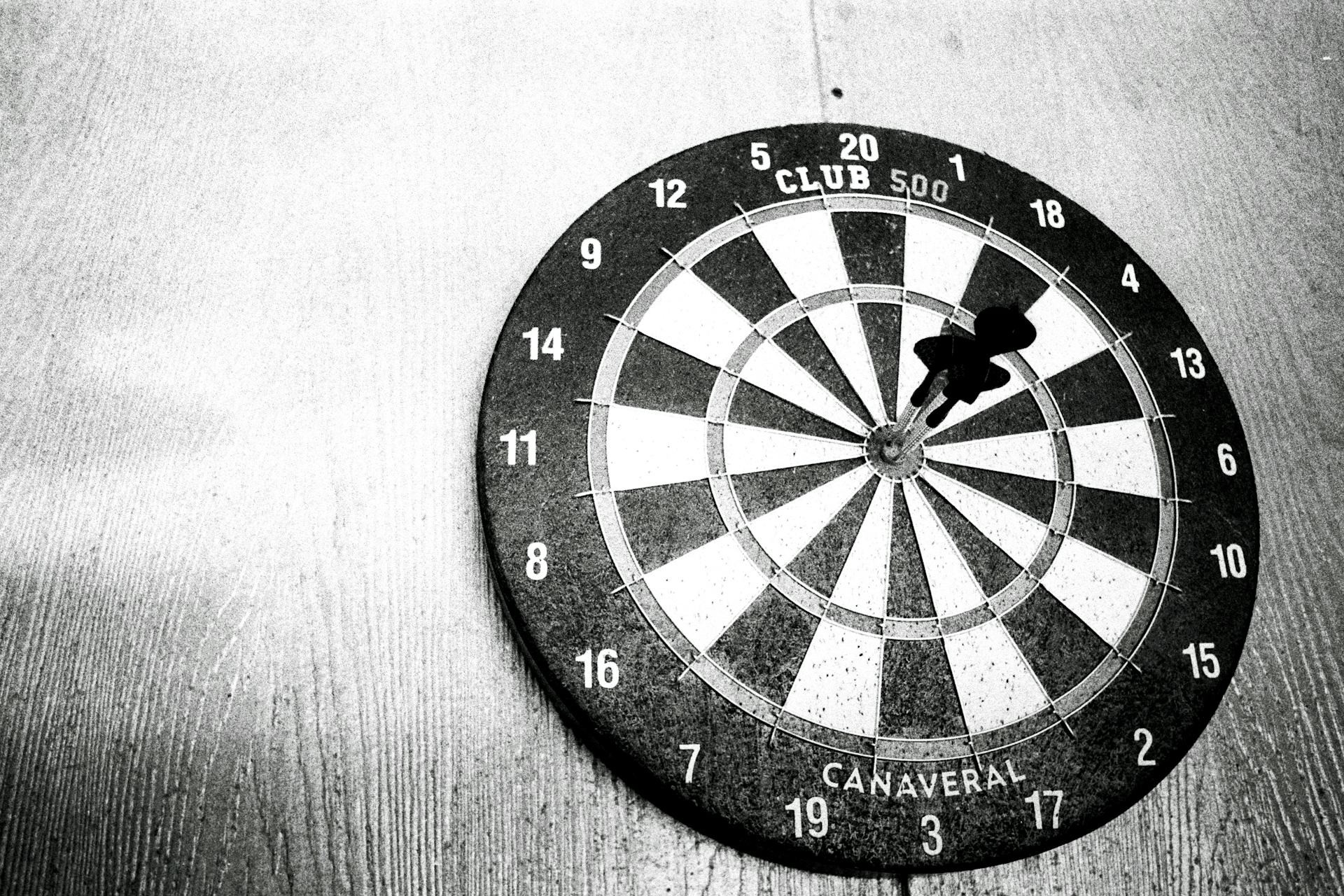
Risk and Reward: How Dart Players Evaluate Their Choices Under Pressure
When a dart player stands at the oche with one dart left and the crowd buzzing behind them, it’s not just about precision. It’s about decision-making under pressure — balancing risk and reward in a split second. Should they aim for the safe single that keeps them in the game, or go for the high-stakes triple that could seal the win? Darts is a sport where psychology, probability, and instinct collide in a moment of intense focus.
From Strategy to Instinct
Top players don’t throw at random. Every dart is part of a plan built on probabilities, experience, and a deep understanding of personal strengths. Professionals know their favorite numbers and the combinations that give them the best chance to finish a leg efficiently.
But when adrenaline surges and the noise of the crowd fills the arena, decisions often shift from calculated to instinctive. Many players describe how, in high-pressure moments, they “just know” what to do — a kind of muscle memory where the body reacts faster than the mind. That’s where the difference between practice and competition truly shows.
The Psychology of Risk
Taking risks in darts isn’t just about math; it’s about mindset. Some players thrive on taking chances — they feel sharper when they’re pushing the limits. Others become more cautious under pressure, preferring the steady route.
Sports psychology research suggests that players with higher confidence and lower anxiety levels are more likely to take bold shots, while those who are more risk-averse focus on control and consistency. Neither approach is inherently better — success depends on how well a player manages their own mental state.
The Numbers Behind the Nerves
Modern darts has embraced data analysis to understand when risk pays off. By studying thousands of throws, analysts can calculate which decisions statistically lead to better outcomes.
For instance, in certain situations, it’s smarter to aim for a “setup shot” — a throw that positions the player for an easier finish next turn — rather than going for a difficult checkout immediately. The best players think two or three darts ahead, not just about the next throw.
This analytical approach is especially common among professionals and coaches who use detailed models to maximize scoring potential and minimize errors under pressure.
Læs også:




When the Crowd Joins the Game
No amount of data can fully prepare a player for the feeling of standing on stage in front of thousands of fans. The crowd can be both a boost and a distraction. Some players feed off the energy, while others struggle to block it out.
The ability to stay calm in those decisive moments often separates the elite from the rest. Many players work with mental coaches or use techniques like visualization, breathing exercises, and pre-throw routines to maintain focus and control amid the chaos.
Learning Through Wins and Misses
Every decision in darts — good or bad — becomes part of a player’s learning curve. The best players adapt quickly, using mistakes as feedback. Missing a double can be frustrating, but it also reveals how a player reacts under stress.
Training, therefore, isn’t just about hitting the board; it’s about understanding one’s own patterns. When do you play too safe? When do you take unnecessary risks? That self-awareness helps players find the right balance between caution and courage.
Darts as a Mental Discipline
Though darts is often seen as a game of precision, it’s equally a mental discipline. The ability to assess risk, stay composed, and trust one’s decisions is crucial — for both professionals and casual players looking to improve.
In the end, it’s about knowing yourself. The best dart player isn’t always the one who hits the most triples, but the one who understands when to take the shot — and when to play it safe.
Læs også: