Classics, Stage Races, and One-Day Races – Understanding the Different Types of Bets


Classics, Stage Races, and One-Day Races – Understanding the Different Types of Bets
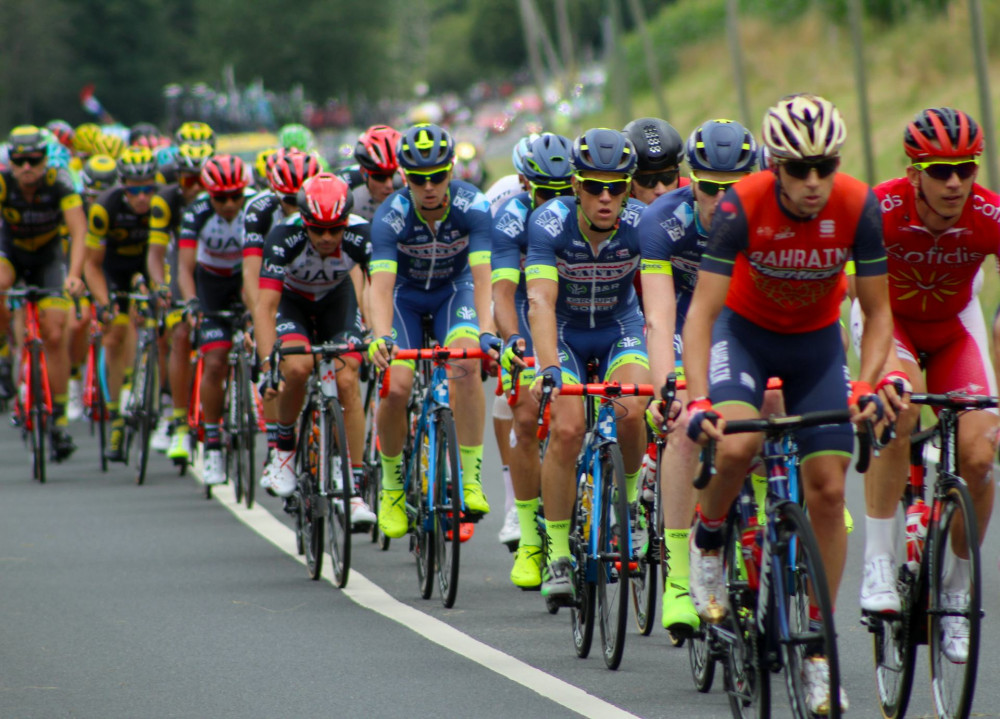
Professional cycling offers a fascinating mix of race formats – from the legendary Classics to the grueling stage races and the fast-paced one-day events. For many fans, the thrill isn’t just in watching the riders battle it out on the road, but also in testing their own knowledge through betting. But how do these race types differ, and what does that mean for your betting strategy? Here’s a guide to understanding the key differences and how to approach each type of race.
The Classics – Historic, Unpredictable, and Full of Drama
The Classics are cycling’s most prestigious one-day races, steeped in history and tradition. Many of them have been run for over a century, often on the same iconic routes. Races like Paris–Roubaix, Tour of Flanders, and Liège–Bastogne–Liège are famous for their cobblestones, brutal climbs, and unpredictable weather.
When betting on the Classics, it’s all about assessing form, experience, and race characteristics. Some riders excel on rough, hilly terrain, while others dominate flatter courses that end in a sprint. Because these races are decided in a single day, anything can happen – a crash, a puncture, or a tactical mistake can change everything. That unpredictability makes betting on the Classics both exciting and risky.
Common betting options for the Classics:
- Race winner – who crosses the finish line first.
- Top 3 finish – a safer bet, rewarding podium placements.
- Head-to-head – two riders are compared, and you bet on who finishes higher.
Stage Races – Strategy, Endurance, and Multiple Betting Angles
Stage races like the Tour de France, Giro d’Italia, and Vuelta a España unfold over several weeks and include a variety of stages – from flat sprint days to mountain climbs and time trials. Success depends not only on daily performance but also on consistency and recovery over time.
For bettors, stage races offer multiple layers of opportunities. You can bet on the overall winner (the rider with the lowest total time), but also on individual stage winners, points classifications, mountain jerseys, and team competitions. Because these races evolve day by day, following the riders’ form and team tactics is crucial.
Common betting options for stage races:
- Overall winner (General Classification) – the rider with the best total time.
- Stage winner – who wins a specific day’s stage.
- Jersey bets – who wins the points, mountain, or young rider classifications.
- Team bets – which team performs best overall.
Stage races reward patience and adaptability. A rider who loses time in the mountains might still be a strong pick for a flat stage later on. Keeping up with daily developments and adjusting your bets accordingly can make a big difference.
One-Day Races – Intensity and Specialists
One-day races include both the Classics and smaller events that take place over a single day. They’re typically shorter and more explosive than stage races, with riders going all-in from the start. There’s little room for error, and the winner is often decided by a tactical showdown or a sprint finish.
When betting on one-day races, form and conditions on the day are key. A rider in peak shape can surprise, while a favorite might falter due to weather, crashes, or poor positioning. Looking at past results in similar races and understanding how riders perform under specific conditions can give you an edge.
Common betting options for one-day races:
- Winner and top placements – straightforward bets on riders in good form.
- Special bets – for example, whether the race ends in a sprint or a solo breakaway.
- Nationality bets – which country will have the most riders in the top 10.
Choosing the Right Betting Approach
Successful cycling betting is about matching your knowledge to the type of race. The Classics reward those who understand the routes and rider histories, while stage races favor bettors who follow the event closely and adapt to its evolving dynamics. One-day races are more unpredictable but can offer high rewards if you spot an underdog ready to shine.
A smart approach is to specialize. Focus on a particular type of race or a group of riders, study their stats, and analyze course profiles and weather conditions. Remember, even the best analysis can’t predict everything – cycling is full of surprises, and that’s part of what makes it so captivating.
Læs også:



A Sport for Fans and Analysts Alike
Cycling combines endurance, strategy, and drama in a way few other sports do. Whether you’re betting for fun or looking for value in the odds, understanding the differences between race types is essential. It not only helps you make smarter bets but also deepens your appreciation for the sport’s complexity and excitement.
Læs også: