Strategy for Mountain Stages: When Climbers and Tactics Decide the Race

Strategy for Mountain Stages: When Climbers and Tactics Decide the Race
When the race hits the mountains, everything changes. The flat stages dominated by sprinters give way to steep gradients, thin air, and tactical battles among the best climbers. This is where the general classification is often decided—where strength, strategy, and psychology all come into play. But what exactly defines a winning strategy in the mountains, and how do riders and teams use the terrain to their advantage?
The Mountains as the Race’s Natural Divide
Mountain stages are the most iconic—and feared—parts of professional cycling. They demand not only power but also endurance and the ability to pace effort wisely. A rider who pushes too hard on the first climb can pay dearly later in the day.
For general classification contenders, the goal is to minimize losses and exploit any sign of weakness from rivals. For domestiques, the mission is to protect their leader for as long as possible—fetching bottles, setting tempo, and shielding from the wind until it’s time for the team captain to ride his own race.
The Team’s Role: Tempo, Control, and Timing
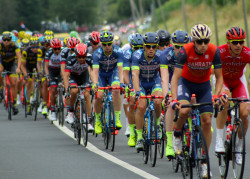
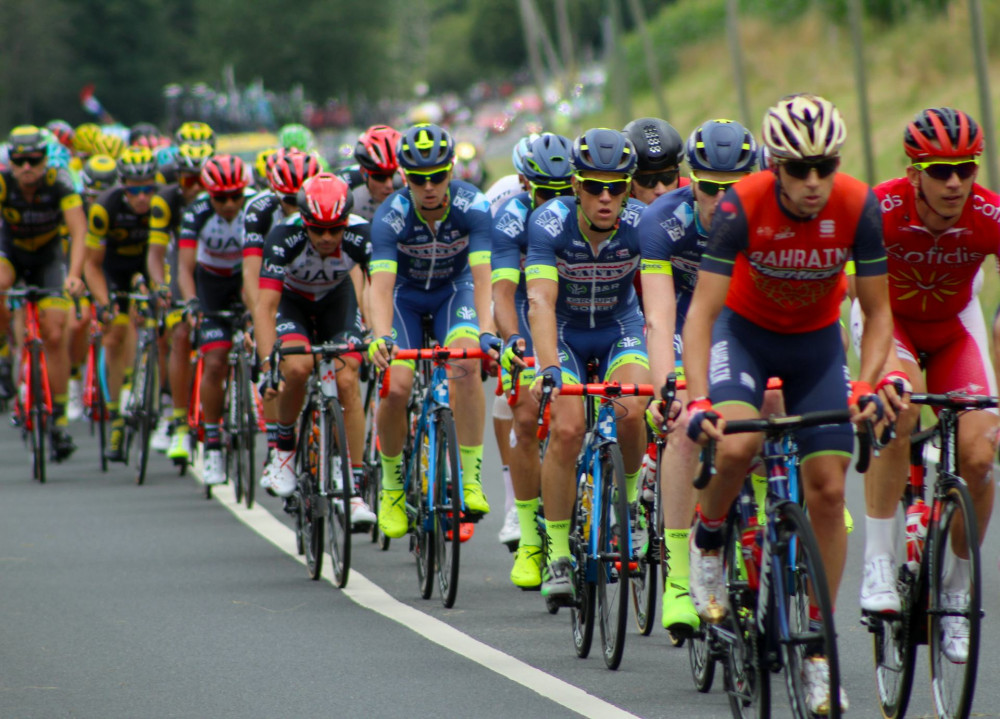
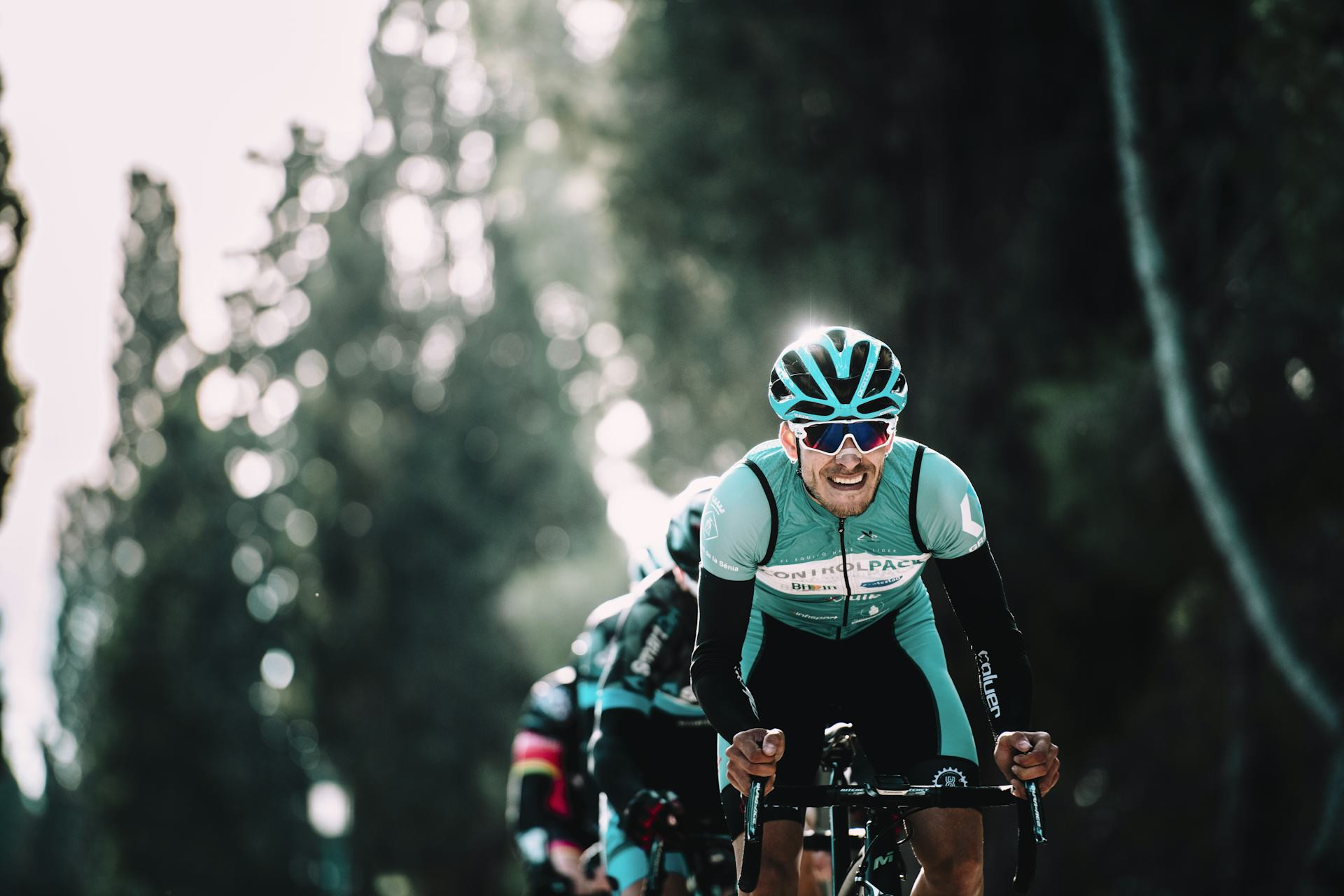
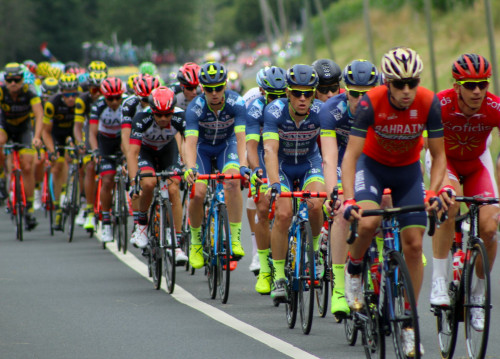
In modern cycling, mountain stages are rarely a solo affair. Teams play a crucial role in controlling the race. A strong climbing train—a sequence of riders gradually increasing the pace on the ascents—can wear down opponents and create decisive gaps.
Timing is everything. If a team sets the pace too early, they risk burning out before the final climb. Wait too long, and rivals may attack first. That’s why communication between riders and the sports director in the team car is vital. Data from power meters and radio communication allow strategies to be adjusted in real time.
Læs også:
The Art of the Attack: When to Go
A successful attack on a mountain stage requires more than strong legs—it’s about choosing the right moment. Some riders strike on the steepest sections, where the pace slows and others struggle to find rhythm. Others wait until the final kilometers, when fatigue magnifies every difference in strength.
A classic move is to send a teammate into the early breakaway. If the team leader attacks later, that teammate can drop back to provide support—both physical and psychological. It’s a tactic often seen in Grand Tours like the Tour de France, Giro d’Italia, and Vuelta a España, where small margins and teamwork can mean the difference between victory and defeat.
The Psychology of the High Mountains
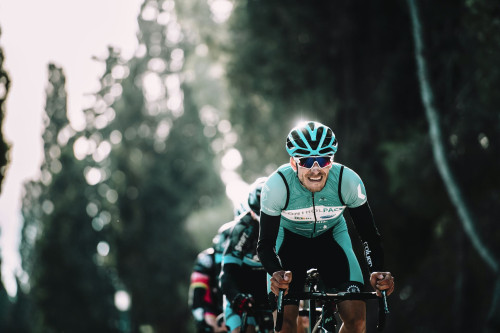
The mountains test not only the body but also the mind. When oxygen runs low and the legs are burning, mental resilience becomes decisive. A rider who can mask fatigue and stay composed can force rivals into mistakes. A single sign of weakness—a glance over the shoulder, a change in cadence—can trigger an attack from a watchful opponent.
Mountain stages are as much about sending signals as they are about power. Showing strength, even when suffering, can deter attacks. Sticking to the plan, even when every muscle screams to stop, separates the great champions from the merely good.
Technology and Preparation
Modern cycling has become a science. Before mountain stages, teams analyze every detail of the route: gradient profiles, wind direction, temperature, and feed zone locations. Riders often recon the climbs in advance to memorize every turn and ramp.
During the stage, performance is monitored closely. Power output, heart rate, and GPS data guide pacing decisions. This precision allows riders to manage their effort better than ever—but it also makes races more controlled. The biggest surprises now come from those willing to take risks and trust their instincts.
When Tactics Meet Tradition
Even in an age of data and analytics, mountain stages remain the heart of cycling’s drama. This is where legends are made—when a rider attacks alone on an iconic climb and holds off the chasers all the way to the summit. Yet behind every heroic moment lies a carefully crafted plan.
The best teams blend analysis with intuition. They know when to trust the numbers—and when to trust the rider. Because in the end, it’s still the human spirit, not the machine, that decides the race.
Læs også: