Data and Form: How to Assess Riders’ Chances in Different Race Types
Data and Form: How to Assess Riders’ Chances in Different Race Types
Evaluating cyclists’ chances across different race types takes more than knowing their names or teams. It’s about understanding how data, form, and race profiles interact. Every rider has unique strengths—some excel in the mountains, others in sprints or time trials—and their current form can make all the difference. Here’s a guide to using data and observation to assess riders’ chances more accurately.
Know the Race Type – and What It Demands
The first step is to understand the nature of the race. Not all races test the same abilities.
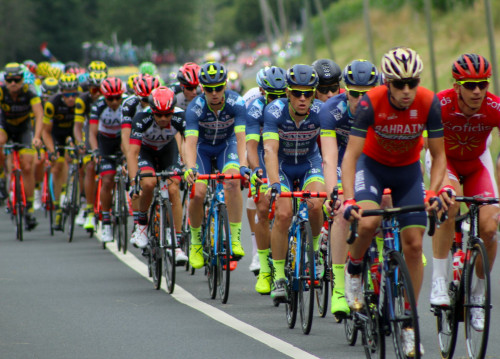
- Stage races like the Tour de France or the Tour of California demand endurance, recovery, and consistency over several days or weeks. General classification riders and climbers usually shine here.
- One-day races such as the U.S. Pro Road Championships or the Maryland Cycling Classic reward explosive power, tactical awareness, and the ability to handle chaotic finales.
- Time trials are all about power output, aerodynamics, and pacing. Here, data analysis often reveals the favorites before the race even starts.
- Flat sprint stages favor the fastest riders, but positioning and teamwork are crucial—without a strong lead-out, even the quickest sprinter can miss the mark.
Once you know the race type, you can start matching riders’ profiles to the demands of the course.
Use Data as a Guide – Not as the Final Word
Modern cycling is driven by data. Power numbers, heart rate, and past performances provide valuable insight into a rider’s capacity. But numbers alone don’t tell the full story.
A rider’s training power output doesn’t always translate to race-day performance, especially when weather, tactics, and nerves come into play. That’s why it’s essential to combine data with observation: How does the rider handle pressure? How well do they position themselves in the peloton? How have they performed in similar races?
Look for trends rather than isolated results. A rider steadily improving over several races is often building form, even if they haven’t yet won.
The Form Curve – The Hidden Key
Form is one of the most decisive yet elusive factors in cycling. It can’t always be measured directly, but it can be read through recent results, team behavior, and even body language.
- Results from the past 2–4 weeks give a good indication of current condition.
- Team strategy can reveal whether a rider is being protected as a leader or working in support.
- Training data and interviews can hint at whether a rider is building toward a peak or already at top form.
Timing is everything. A rider who peaks too early may fade later in the season, while one who builds gradually can hit their best form when it matters most.
Terrain and Weather – The Overlooked Factors
Even the strongest rider can struggle if the conditions don’t suit them. Terrain and weather play a huge role in performance.
- Climbers thrive on long ascents and warm conditions but may falter in cold or wet weather.
- Classics specialists excel on short, steep climbs and rough roads, where handling skills and courage matter as much as raw power.
- Sprinters prefer dry, predictable conditions—crosswinds or rain can ruin their chances.
Always check the race profile and forecast. A windy day on the plains of Kansas or a sudden downpour in the Rockies can completely change the outcome.
The Team Factor – More Than Just Support
Cycling is a team sport disguised as an individual one. A strong team can make the difference between victory and defeat.
Look at how the team is built: Does the leader have reliable domestiques to protect them in the wind? Is there an experienced road captain to manage tactics? How has the team performed in similar races?
A cohesive team can elevate a rider who’s not in perfect form, while a disorganized one can cost even the best rider a win.
Læs også:
Learn from History – But Expect Surprises
Past results in the same race often provide useful clues. Some riders consistently perform well on certain courses—perhaps because the terrain suits them or they know the roads intimately.
But cycling is unpredictable. New talents emerge, and veterans can surprise after quiet periods. The key is to balance historical data with current form and conditions.
From Data to Intuition
After gathering data, analyzing form, and assessing conditions, the final step is intuition. Cycling isn’t just about numbers—it’s about timing, instinct, and emotion. The best assessments come when you can blend analysis with feel.
Understanding riders’ chances isn’t just about reading statistics; it’s about seeing the whole picture: the rider, the team, the race, and the moment.
Læs også: