When Cycling Odds Move Faster Than the Market – Learn to Spot the Signals


When Cycling Odds Move Faster Than the Market – Learn to Spot the Signals
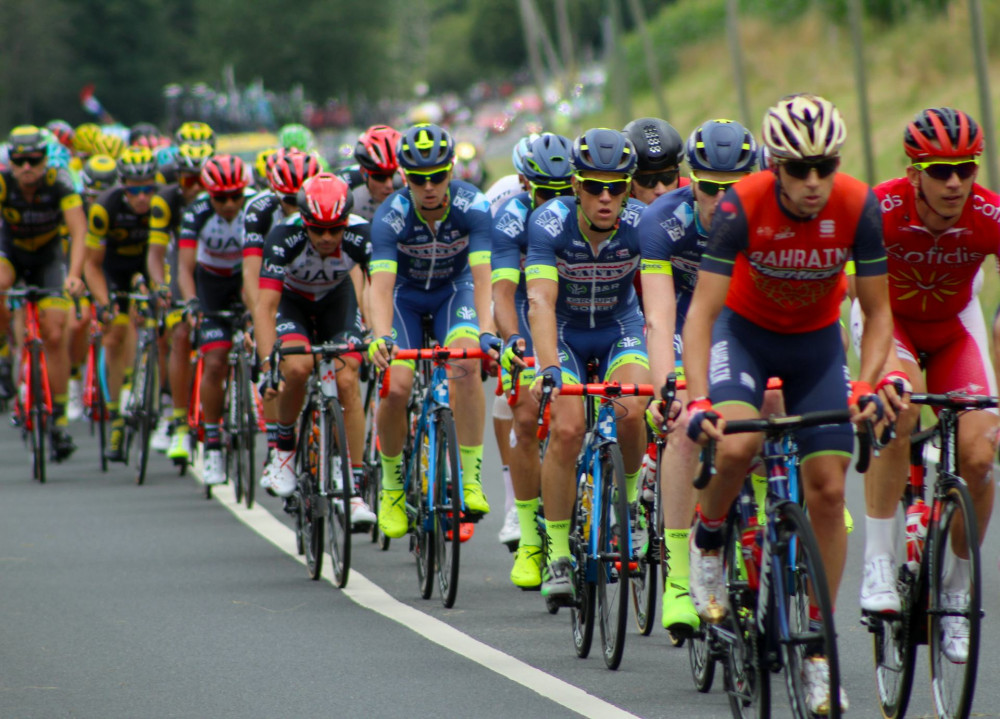
If you follow professional cycling closely—whether it’s the Tour de France, the Giro d’Italia, or the spring classics—you’ve probably noticed how quickly betting odds can shift. A rider listed at +1000 yesterday might drop to +500 overnight, even before the race begins. What drives these sudden movements, and how can you learn to read the signals before the rest of the market catches on?
This article explores how cycling odds move, what factors influence them, and how you can use timing, insight, and observation to find value before the market adjusts.
A Market in Constant Motion
Cycling betting is unique because information spreads fast—but not always evenly. A change in the weather forecast, a crash during training, or a team’s tactical announcement can move odds within minutes.
Bookmakers constantly adjust their lines based on betting volume, expert analysis, and algorithmic models. When a surge of bets comes in on a particular rider, it’s interpreted as a signal—and the odds shorten.
But the market isn’t always right. Sometimes it overreacts, and that’s where opportunities arise for sharp, observant bettors.
The Key Signals to Watch
Spotting movements in cycling odds is about understanding what typically triggers them. Here are some of the most common factors:
- Weather and wind – Crosswinds or rain can completely change a race’s dynamics. Riders with strong teams or superior bike-handling skills suddenly gain an edge.
- Team tactics and announcements – When a team declares who their leader is for a stage or a race, the market reacts quickly. But sometimes those statements are intentionally vague—leaving room for value if you can read between the lines.
- Form and health – Rumors of illness, fatigue, or a crash can move odds fast. Keep an eye on riders’ social media, team press releases, and cycling news outlets.
- Course profiles – A re-evaluation of a climb’s difficulty or a change in stage layout can shift the balance of favorites dramatically.
- Betting volume – Large wagers from professional bettors can move the market. If you see odds dropping across multiple sportsbooks simultaneously, it’s often a sign that informed money is in play.
Learning to Separate Noise from Signal
Not every odds movement means something. Some are just small adjustments or random fluctuations. The skill lies in distinguishing genuine signals from market noise.
A good rule of thumb: if odds drift steadily in one direction over several hours, it likely reflects a consistent flow of information or money. If they bounce up and down, it may indicate uncertainty or speculation.
Use multiple sources to verify what you see. Compare odds across sportsbooks, read expert previews, and follow cycling journalists. The broader your information base, the better you can judge whether a move is justified.
Timing Is Everything
Finding value in cycling odds often comes down to timing. The best opportunities appear before the market fully reacts. That means acting quickly—but not impulsively.
For example, if you notice that a stage is likely to be affected by strong crosswinds and you spot it before the bookmakers adjust, you might back riders from powerhouse teams like Visma–Lease a Bike or Ineos Grenadiers before their odds shorten. Conversely, if you think the market is overreacting to a rumor, patience can pay off.
Knowing the riders, the teams, and the race characteristics is essential for judging when an odd is too high—or too low.
Læs også:



Balancing Data and Intuition
The most successful cycling bettors blend data analysis with intuition. Power numbers, past results, and stage profiles provide a solid foundation, but cycling remains unpredictable. A rider can have an off day, a team can change tactics mid-race, or the weather can flip everything upside down.
That’s why it’s important to combine numbers with feel. Watch the races, learn riders’ tendencies, and pay attention to subtle cues that algorithms might miss.
A Market for the Curious
Cycling betting isn’t just for those chasing quick wins. It’s a space where knowledge, timing, and curiosity are rewarded. The more you understand the sport, the better your chances of spotting value before the market does.
When cycling odds move faster than the market, it means someone has seen something others haven’t. The question is—can you learn to see it too, and maybe even a little sooner?
Læs også: